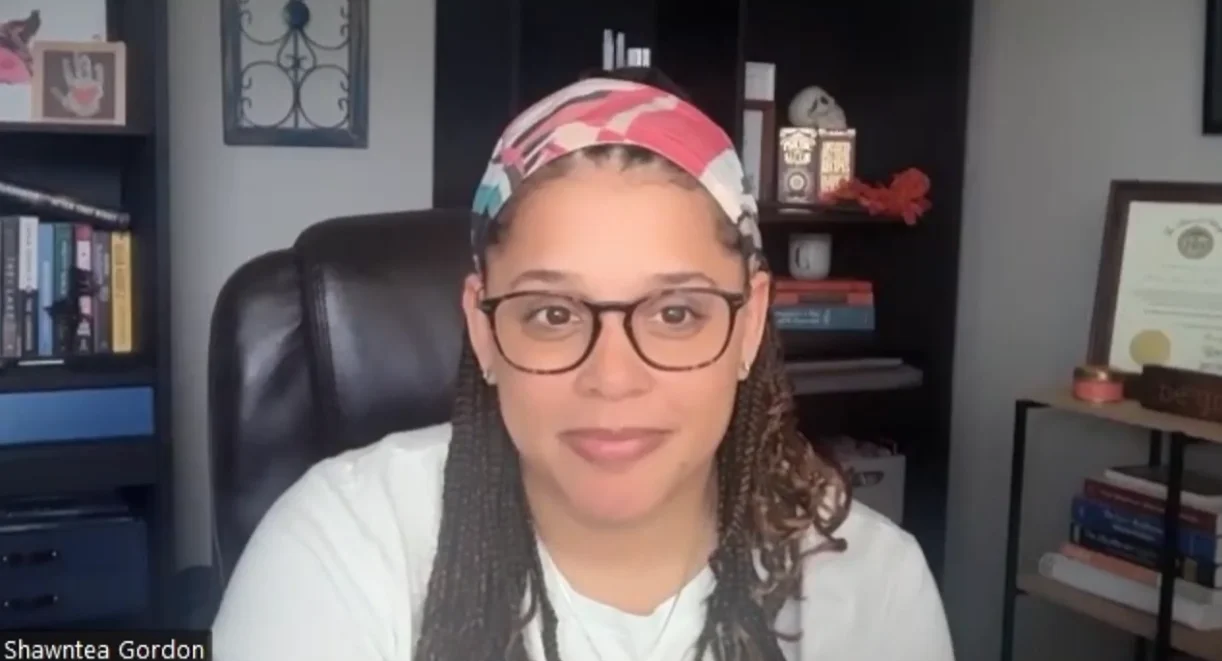



Guest: Taya Gordon, CEO & Founder, Atlas & Perpetual Healthcare Consulting
Host: Praveen Chandran
Introduction and Leadership Background in Revenue Cycle Management
Praveen Chandran
Hi everyone, welcome to another episode of The RC Executive Lounge podcast series. I’m your host, Praveen, and I’m excited you’re here today.
I’m thrilled to welcome Taya Gordon, CEO and Founder of Atlas and Perpetual Healthcare Consulting. Taya is one of those rare voices in healthcare who combines deep operational expertise with a genuine passion for transformation. She’s an educator, author, and keynote speaker who has dedicated her career to helping hospitals and medical practices strengthen revenue cycle performance while driving meaningful, human-centered change.
Through her work at Atlas and Perpetual, Taya partners with leadership teams on strategic planning, revenue cycle assessments, training, education, and coaching for managers and frontline staff. She’s also the author of two books on revenue cycle management and frequently shares insights on innovation, collaboration, and continuous improvement.
Taya often says it’s a great time to be in healthcare if you’re up for change and up for a challenge. If you’ve ever heard her speak, you know she truly lives that message. Taya, welcome to the show, and thank you so much for joining us.
Taya Gordon
Thank you so much for having me. What a wonderful introduction. I’m honored to be here.
Setting Strategic Priorities Using Data in Healthcare RCM
Praveen Chandran
RCM and finance teams are under immense pressure today, from payer delays to staffing gaps. You’ve served as a fractional CRO for multiple healthcare organizations. How do you think about setting top strategic priorities when you step into that role?
Taya Gordon
For me, it really all comes down to evidence. I start by looking at performance data. What do the KPIs look like? How does the organization benchmark against peers, not just on days in AR, but also staffing ratios, compensation, and productivity?
When you start digging into the data, it tells a story about where the organization is today and where the weaknesses or opportunities lie. Those insights become the foundation of any strategic plan. I’m often in a unique position because I’m new to the organization. I don’t know the way things have always been done, so I can bring a fresh lens to the data and help leaders build a strategy grounded in facts.
Making Hard Tradeoffs and Saying No to Good Ideas
Praveen Chandran
One challenge leaders often mention is that data surfaces too many opportunities, which forces tough choices. Can you share an example where you had to say no to a good initiative in favor of something more critical?
Taya Gordon
That happens constantly. Groups often come to me excited about adding a new ancillary service or renegotiating all their payer contracts. They’re motivated and driven, which is great.
But when we dig into the data, we sometimes find foundational issues that have to be addressed first. For example, if days in AR are over 100, there’s nothing else we should be doing that diverts staff time. Cash flow has to be moving efficiently.
I’ve worked with organizations where the desire to pursue new initiatives had to be paused so we could stabilize the revenue cycle first. If cash flow isn’t healthy, you don’t have the resources to do anything else well.
Denial Prevention, Patient Financing, and Financial Assistance as Cash Flow Levers
Praveen Chandran
At conferences like HFMA and MGMA, we hear constant discussion about denial prevention, patient financing, and financial assistance. Where do these programs typically land in your strategic priorities?
Taya Gordon
They fit directly into the strategy because all of them impact cash flow. If you’re not proactively preventing denials, you’re increasing staff workload, appeal costs, and slowing revenue cycle velocity.
On the patient side, if you don’t have financing options or clear education around financial responsibility, cash slows down even more. What I often see is organizations treating symptoms instead of root causes. For example, they’ll see high days in AR or a low net collection ratio and decide to increase charges or drop a payer.
But when you dig deeper, the real problem is often how claims were submitted or that patients don’t understand their responsibility or don’t know financial assistance programs exist. The work has to start with root cause analysis, followed by communication, education, and intentional strategy to keep the revenue cycle as unburdened as possible.
Root Causes Behind Persistent RCM Challenges
Praveen Chandran
Across different hospitals and patient populations, what root causes do you see most often behind persistent denial and patient financial challenges?
Taya Gordon
There’s rarely one universal reason. Some organizations have never built a strategy at all. Others serve higher-acuity or lower-income populations with more barriers to care.
The common theme is lack of intentionality. Organizations don’t always define how much they expect to write off for financial hardship or which payment plans best match their community’s needs. When you analyze usage over time, you often find that one payment plan accounts for most utilization, while others go unused.
Like everything else in revenue cycle, success reminder is about being intentional and grounding decisions in performance data specific to your organization.
Case Study: Reducing Excessive Days in Accounts Receivable
Praveen Chandran
Let’s talk about a recent initiative you led. What challenge were you solving, and how did it rise to the top of the priority list?
Taya Gordon
One recent example involved an organization with extremely high days in AR, well over 120. When we dug in, two major issues emerged. First, they had claims sitting in AR for ten to fifteen years that should have been written off. That inflated their metrics and masked reality.
Second, their payer database was a mess. Payers had been manually entered over time with inconsistent naming, addresses, and codes. The same payer existed multiple times in the system, sometimes with errors. Claims weren’t being denied because they were incorrect, they were being sent to the wrong place.
On top of that, about half of their claims were submitted directly to payers instead of through a clearinghouse, increasing the risk of errors.
Implementation Lessons and Measuring Success
Praveen Chandran
Once you identified the problem, how did you approach fixing it, and what results did you see?
Taya Gordon
In this case, the organization had the internal bandwidth to address it without bringing in a vendor. We identified duplicate and invalid payers, cleaned up the database, and set up a clearinghouse to prevent the issue from recurring.
The process took about four to six weeks. Their days in AR dropped dramatically, from over 150 to around 46. We also monitored metrics like net collection ratio, denial rate, and AR aging buckets. Once you get familiar with the data, it doesn’t take long to spot what’s wrong.
Agentic AI and the Future of Healthcare Revenue Cycle Operations
Praveen Chandran
Agentic AI is everywhere in healthcare RCM discussions. What role do you see it playing over the next few years?
Taya Gordon
Honestly, I see it playing a role right now. We need help in this industry. There’s more work than people to do it. AI can lift administrative burden through things like batch appeals, eligibility checks, prior authorization support, and patient education.
What concerns me is organizations adopting AI without proper compliance frameworks. I’ve seen providers using AI tools without leadership knowing, without BAAs, and without governance. I’m cautiously optimistic, but we have to build compliance and infrastructure first.
Where AI Can Create Transformational Impact
Praveen Chandran
Are there areas where AI could create true transformation rather than incremental gains?
Taya Gordon
I hope so, especially in physician documentation. I tell people to treat AI like a brand-new intern. Be explicit, give it guardrails, and double-check the work.
If AI can reduce documentation burden without introducing compliance risk or inaccurate information, the downstream impact could be huge. Better documentation improves coding, audit outcomes, and claim payment. That ripple effect would benefit providers, revenue cycle teams, and patients alike.
Change Management and Building Momentum
Praveen Chandran
Change is hard in complex RCM environments. How do you build momentum once a strategy is defined?
Taya Gordon
Once people understand the root cause, they’re usually eager to fix it. Revenue cycle teams get exhausted fighting the same issues repeatedly. When data clearly shows what’s broken, hope returns.
The key is involving the right people, leadership, billing, intake, and operations. When everyone rows in the same direction and understands the why, change accelerates.
Leadership Advice and the One Metric That Matters Most
Praveen Chandran
If you could give one piece of advice to an RCM leader or CFO, what would it be?
Taya Gordon
Put your allowable amounts into the system. Almost no organizations do this, yet it’s what determines what you get paid. Without allowed amounts, you don’t catch underpayments, overpayments, or posting errors.
If I had to choose one metric to obsess over, it would be net collection ratio. It tells you how much of what you were eligible to collect you actually collected. Days in AR and denial rate add context, but net collection ratio is the heartbeat of revenue cycle performance.
Closing Thoughts on Leadership and Culture
Praveen Chandran
One final question. Has there been a recent book or idea that influenced your leadership thinking?
Taya Gordon
I just started reading Leaders Eat Last by Simon Sinek. I love the idea of taking care of your people first. In healthcare, if you take care of your staff and your patients, the organization will take care of itself.
Praveen Chandran
That’s a powerful note to end on. Taya, thank you so much for sharing your insights today.
Taya Gordon
Thank you for having me. This was wonderful.