How Proactive Loss Mitigation Makes Everyone a Revenue Cycle Partner
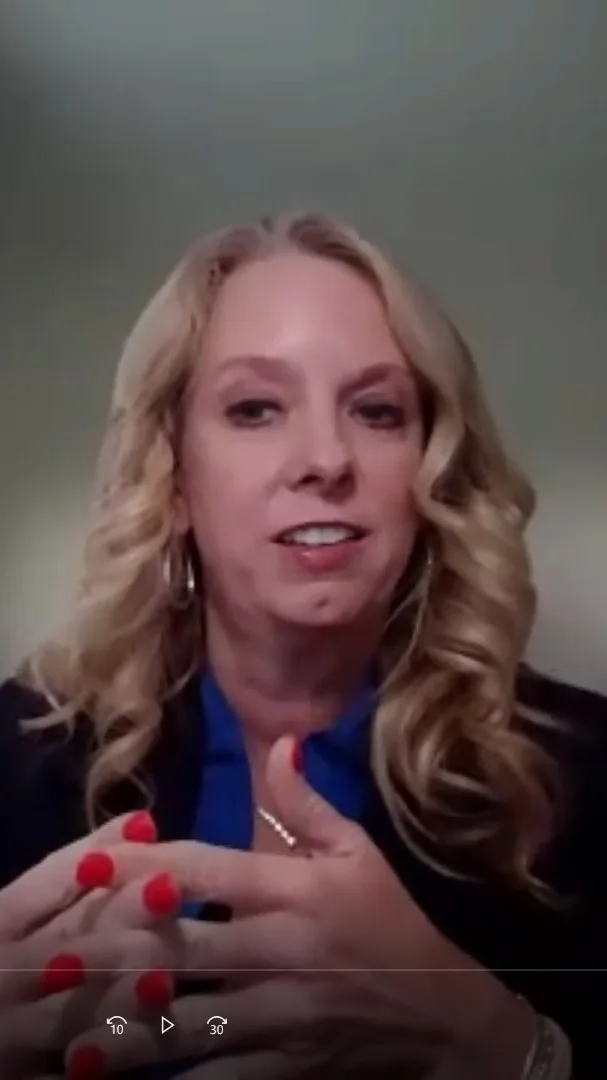
Thomasina Wilkins describes the initiative she has presented at seminars and master classes around the country: proactive loss mitigation. The conventional approach to denials places all resources at the back end, focused on AR recovery. Proactive loss mitigation flips that model by treating revenue cycle as a partnership that begins when the patient makes their first phone call, from scheduling through authorization to clinical documentation to billing to denial advocacy. Every function in the chain is responsible for a warm handoff at their point in the process, and every leader and stakeholder is engaged to understand their part in pre-bill accuracy. The goal is minimal rework and a framework that recalibrates when any part of the process is not working.
Key Takeaway
Proactive loss mitigation is a strategic shift from reactive AR recovery to front-to-back partnership, where every touchpoint from the first scheduling call through final denial advocacy is owned by someone who understands their role in protecting revenue. That model requires clinical, operational, and revenue cycle partners aligned around a shared mission.
“Revenue cycle is all of us. That means the first time that the patient picks up that phone, we are all partners in that patient’s care. We are all caregivers.”
Thomasina Wilkins, Chief Revenue Officer, Sinai Chicago

 2:25
2:25Why Denial Prevention Requires Both Strategic and Micro-Targeted Layers
 84 sec
Why Eligibility Is the Most Critical Transaction in Revenue Cycle
 2:13
2:13Why Initial vs. Final Denial Rate Determines Your RCM Strategy
From the clip to strategy.
The themes our guests cover are the same ones our executive guides and ROI calculators are built around. If this clip resonated, here’s where to take it next.
Claims Denial Management, powered by agentic AI
How ArceeHQ catches denials before they happen, resolves them automatically, and gives your reviewers only the cases that need a human.
See the solutionReducing claim denials with agentic AI
A practical framework for revenue cycle leaders. Covers the operating model shift, what to measure, and where automation actually pays.
Read the guideClaims denial ROI calculator
Model the revenue impact of a first-pass rate improvement at your health system. Plug in your denial volume and payer mix.
Run the calculatorNever miss a clip.
Get new shorts and full episodes delivered to your inbox the day they drop. Plus exclusive bonus content for subscribers.
- Real-world strategiesOperational playbooks and proven approaches from RCM leaders delivering measurable results.
- Executive connectionsBe part of a trusted network of executives shaping the future of revenue cycle and patient finance.
- Agentic AI insightsDiscover how AI-driven automation is reshaping denial prevention, patient financing, and financial assistance.
Let’s redefine financial engagement together.
See how ArceeHQ can supercharge your revenue cycle. We’ll walk through the platform, discuss your specific systems and goals, and show measurable lift you can expect in the first 90 days.